Understanding Yellow Leaves: Causes and Solutions
Yellow leaves can be a distressing sight for any gardener or plant enthusiast. Whether it’s a beloved houseplant or a prized tree in your garden, the appearance of yellow foliage can indicate underlying issues that need to be addressed. In this comprehensive guide, we will explore the common causes of yellow leaves, how to diagnose the problem, and effective solutions to restore your plants to their vibrant green state.
Why Do Leaves Turn Yellow?
Before we delve into the specific causes, it’s essential to understand the basic reason why leaves change color. Leaves are green due to chlorophyll, the pigment responsible for photosynthesis. When leaves begin to turn yellow, it’s often a sign that chlorophyll production is decreasing or that the leaves are experiencing stress.
Common Causes of Yellow Leaves
1. Nutrient Deficiencies
Nutrient deficiencies are one of the most common reasons for yellow leaves. Essential nutrients like nitrogen, iron, and magnesium play crucial roles in plant health:
- Nitrogen Deficiency: Nitrogen is vital for healthy leaf production. A lack of nitrogen can cause older leaves to turn yellow, while younger leaves remain green.
- Iron Deficiency: Iron chlorosis typically affects younger leaves, causing them to turn yellow while the veins remain green. This condition is common in alkaline soils.
- Magnesium Deficiency: Magnesium is essential for chlorophyll production. A deficiency often results in yellowing between the veins of older leaves.
2. Overwatering
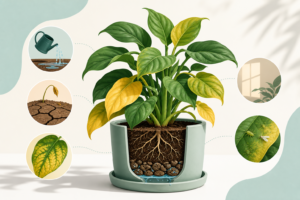
Overwatering is another common issue that leads to yellow leaves. Excess moisture can suffocate roots, leading to root rot and nutrient deficiencies. Signs of overwatering include:
- Yellowing leaves
- Wilting or drooping leaves
- Brown or black roots
If you suspect overwatering, allow the soil to dry out before watering again. Ensure that your pots have proper drainage to prevent water from accumulating.
3. Underwatering
On the flip side, underwatering can also cause yellow leaves. When a plant does not receive enough water, it can lead to stress and yellowing. Signs of underwatering include:
- Dry, crispy leaves
- Wilting
- Yellowing of younger leaves
Establish a regular watering schedule and check the soil moisture levels to avoid underwatering.
4. Pest Infestation
Pests such as aphids, spider mites, and whiteflies can cause significant damage to plants, leading to yellow leaves. They feed on the sap of the plant, weakening it and resulting in discoloration. Look for signs of pests, such as:
- Visible insects on leaves
- Sticky residue or honeydew
- Webbing on the underside of leaves
If you suspect a pest issue, treat your plants with insecticidal soap or neem oil.
5. Disease
Fungal diseases like root rot, downy mildew, and bacterial infections can also lead to yellow leaves. These diseases often arise from overwatering or poor air circulation. Symptoms may include:
- Yellowing leaves
- Wilting
- Foul odor from the soil
Learn more about plant diseases here.
6. Environmental Stress
Plants can experience stress from various environmental factors, including:
- Temperature Extremes: Sudden changes in temperature can shock plants, resulting in yellow leaves.
- Insufficient Light: Plants that do not receive adequate light may also develop yellow leaves as they struggle to photosynthesize.
- Soil pH Imbalance: The pH of the soil can influence nutrient availability. A highly acidic or alkaline soil can prevent plants from absorbing nutrients effectively.
How to Diagnose Yellow Leaves
Diagnosing the cause of yellow leaves requires careful observation. Start by examining your plant for:
- Overall health and vigor
- Soil moisture levels
- Signs of pests or disease
- Environmental conditions
- Leaf age
Once you’ve identified potential issues, you can take appropriate action to remedy the situation.
Solutions for Yellow Leaves
1. Adjusting Watering Practices
Whether it’s overwatering or underwatering, adjusting your watering practices can significantly improve the health of your plants. Use a moisture meter or your finger to check soil moisture before watering.
2. Fertilize Wisely
If nutrient deficiencies are the culprit, consider using a balanced fertilizer that provides essential nutrients. Look for fertilizers high in nitrogen for leafy growth, or specific formulations that target deficiencies like iron or magnesium.
3. Pest Control
For pest issues, you can use organic insecticides or introduce beneficial insects that prey on common pests. Always check the labels to ensure you are using safe and effective products.
4. Improve Growing Conditions
Adjusting light levels, improving soil drainage, and monitoring environmental stressors can help prevent yellow leaves. Ensure your plants are in a location that provides the right amount of sunlight and airflow.
Preventing Yellow Leaves
Prevention is always better than cure. Here are some tips to keep your plants healthy and vibrant:
- Regularly check soil moisture and adjust your watering schedule accordingly.
- Fertilize your plants according to their specific nutritional needs.
- Inspect your plants regularly for signs of pests or disease.
- Provide adequate light and airflow to reduce stress.
FAQs about Yellow Leaves
What does it mean when the leaves of a plant turn yellow?
Yellow leaves can indicate various issues, including nutrient deficiencies, overwatering, underwatering, pest infestations, or environmental stress.
How can I treat yellow leaves?
The treatment for yellow leaves depends on the underlying cause. Adjust watering practices, fertilize with appropriate nutrients, control pests, and improve growing conditions.
Can yellow leaves turn green again?
While yellow leaves may not revert to green, improving the plant’s conditions can prevent further yellowing and promote new green growth.
Is yellowing normal for some plants?
Yes, some plants naturally shed older leaves, which may turn yellow. However, if yellowing is widespread, it’s essential to investigate further.
Conclusion
Yellow leaves can be a sign of various issues affecting your plants. By understanding the common causes and taking proactive measures, you can ensure your plants remain healthy and vibrant. Regularly monitor your plants and address any problems promptly to prevent yellow leaves from becoming a recurring issue.