The Best Indoor Plants: Enhance Your Home and Well-Being
Indoor plants have become a cornerstone of modern home decor, not only adding beauty to our living spaces but also improving our overall well-being. In this comprehensive guide, we will delve into the best indoor plants to consider, their benefits, care tips, and how they can contribute to a healthier living environment.
Why Choose Indoor Plants?
Indoor plants provide numerous benefits, including:
- Aesthetic Appeal: They bring color, texture, and life to any space.
- Air Quality Improvement: Many plants filter toxins from the air, enhancing indoor air quality.
- Stress Reduction: Studies show that being around plants can reduce stress and increase feelings of happiness.
- Humidity Regulation: Plants release moisture, which helps maintain humidity levels in your home.
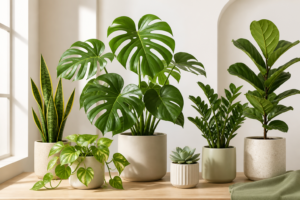
Top Indoor Plants to Consider
1. Snake Plant (Sansevieria)
The snake plant is a popular choice for beginners due to its resilience and low maintenance requirements. It thrives in low light and only needs to be watered occasionally. Additionally, it is known for its air-purifying qualities.
2. Pothos (Epipremnum aureum)
Pothos is another easy-care plant that can adapt to various lighting conditions. Its trailing vines make it perfect for hanging baskets or shelves. Pothos are known to absorb indoor pollutants such as formaldehyde and xylene.
3. Peace Lily (Spathiphyllum)
With its beautiful white blooms and glossy green leaves, the peace lily is not only aesthetically pleasing but also an effective air purifier. It prefers medium to low light and requires consistent moisture.
4. Spider Plant (Chlorophytum comosum)
The spider plant is characterized by its arching green leaves and small white flowers. It is easy to care for and can thrive in a variety of conditions. Spider plants are known for their ability to remove pollutants from the air.
5. ZZ Plant (Zamioculcas zamiifolia)
The ZZ plant is perfect for those who may forget to water their plants regularly. It thrives in low light and can tolerate drought, making it an excellent choice for busy individuals.
Care Tips for Indoor Plants
To keep your indoor plants thriving, consider the following care tips:
- Light Requirements: Understand the light needs of each plant and place them accordingly.
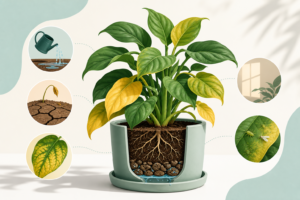
- Watering: Overwatering is a common mistake; ensure pots have drainage and only water when the top inch of soil feels dry.
- Humidity: Some plants may need extra humidity; consider using a humidifier or grouping plants together.
- Fertilizing: Use a balanced fertilizer during the growing season to promote healthy growth.
FAQs About Indoor Plants
1. Which indoor plants are best for beginners?
Some of the best indoor plants for beginners include snake plants, pothos, and spider plants due to their low maintenance requirements.
2. How often should I water my indoor plants?
Watering frequency depends on the type of plant and its environment. Generally, it’s best to water when the top inch of soil is dry.
3. Can indoor plants help with allergies?
Yes, certain indoor plants, like peace lilies and spider plants, can help filter out allergens and improve air quality.
4. Do indoor plants need sunlight?
Most indoor plants need some level of sunlight. Be sure to research each plant’s specific light requirements.
5. What are some air-purifying indoor plants?
Some notable air-purifying plants include snake plants, pothos, peace lilies, and spider plants.
Conclusion
Incorporating indoor plants into your home can have profound benefits on both your space and your well-being. From their aesthetic value to their air-purifying qualities, the right indoor plants can transform your living environment. Choose from the varieties mentioned above, and enjoy the numerous advantages they bring!