How to Care for Indoor Plants: A Comprehensive Guide
Indoor plants not only bring beauty and life to our spaces, but they also improve air quality and enhance our overall well-being. However, caring for indoor plants requires some knowledge and practice. In this guide, we will cover everything you need to know about how to properly care for your indoor plants, including watering, lighting, soil types, pest control, and more.
1. Understanding Your Indoor Plants
Before delving into care techniques, it’s essential to understand the specific needs of your indoor plants. Different plants have varying requirements when it comes to light, water, and humidity. Here are some popular indoor plants and their specific care needs:
- Spider Plant: Tolerates low light and irregular watering.
- Peace Lily: Prefers medium to low light; keep the soil moist.
- Snake Plant: Thrives in low light and requires infrequent watering.
- Pothos: Adapts well to different light conditions; water when the soil is dry.
2. Watering Your Indoor Plants
Watering is one of the most critical aspects of indoor plant care. Overwatering is a common mistake that can lead to root rot. Here are some tips for effective watering:
Check the Soil
Before watering, check the top inch of soil. If it feels dry, it’s time to water. If it’s still moist, wait a few days.
Watering Techniques
- Consistency: Create a watering schedule based on your plant’s needs.
- Drainage: Ensure pots have drainage holes to prevent water from accumulating.
- Watering Method: Water thoroughly until it drains from the bottom, then discard excess water.
3. Lighting Requirements
Light is essential for photosynthesis. Different plants have different light requirements:
Types of Light
- Direct sunlight: Ideal for sun-loving plants like succulents.
- Indirect light: Suitable for most common houseplants.
- Low light: Perfect for plants like snake plants or pothos.
Positioning Your Plants
Place your plants near windows or in areas where they can receive adequate light. Rotate them occasionally to ensure even growth.
4. Choosing the Right Soil
The right soil mix is vital for your plants’ health. Consider the following:
- Commercial Potting Mix: Great for most indoor plants.
- Specific Mixes: Cactus mix for succulents, orchid mix for orchids.
5. Humidity and Temperature
Indoor plants thrive in specific humidity and temperature ranges. Most prefer temperatures between 65°F to 75°F. To increase humidity, consider:
- Grouping plants together.
- Using a humidifier.
- Placing a tray of water near your plants.
6. Fertilizing Your Indoor Plants
Plants need nutrients to grow, which is where fertilizers come in:
- Types of Fertilizers: Liquid, granular, or slow-release.
- When to Fertilize: Typically during the growing season (spring and summer).
7. Pest Control
Indoor plants can attract pests like spider mites, aphids, and mealybugs. To manage pests:
- Regular Check-ups: Inspect plants weekly for signs of pests.
- Natural Remedies: Use insecticidal soap or neem oil.
- Quarantine New Plants: Keep new arrivals isolated for a few weeks to prevent pest transmission.
8. Repotting Your Indoor Plants
As plants grow, they may need to be repotted to provide more space for root development:
- When to Repot: Typically every 1-2 years or when roots grow out of drainage holes.
- How to Repot: Carefully remove the plant from its current pot, loosen the roots, and place it in a new pot with fresh soil.
9. Seasonal Care Tips
Seasonal changes can affect your indoor plants. Here are some key tips:
- Spring and Summer: Increase watering and fertilizing.
- Fall and Winter: Reduce watering as plants enter dormancy.
10. Conclusion
Caring for indoor plants can be a rewarding hobby. By following the tips outlined in this guide, you can ensure that your plants stay healthy and vibrant. Remember that each plant is unique, so take the time to learn about your specific indoor plants’ needs. Happy planting!
FAQ
Q: How often should I water my indoor plants?
A: It depends on the type of plant and the environment. Check the soil moisture before watering.
Q: Can I use regular garden soil for indoor plants?
A: It’s best to use a commercial potting mix designed for indoor plants, as it provides better drainage and nutrients.
Q: What should I do if my indoor plant leaves are turning yellow?
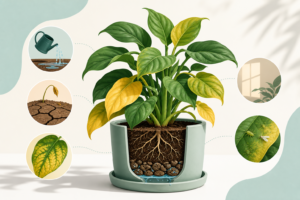
A: Yellowing leaves can indicate overwatering, poor drainage, or nutrient deficiencies. Check the soil and adjust accordingly.
Q: How can I increase humidity for my indoor plants?
A: You can increase humidity by grouping plants, using a humidifier, or placing a tray of water near your plants.
Q: When is the best time to fertilize indoor plants?
A: The best time to fertilize is during the growing season, typically in spring and summer.