The Ultimate Plant Watering Guide: Tips for Healthy Plants
Plants, whether indoors or outdoors, require proper care to thrive, and one of the most critical aspects of plant care is watering. This guide will take you through everything you need to know about watering your plants effectively. From understanding plant types to recognizing the signs of overwatering, we’ve got you covered.
Table of Contents
Understanding Plant Needs
Every plant species has its own unique watering needs. Understanding these needs is the first step in ensuring your plants remain healthy. Here are some key factors to consider:
1. Plant Type
Different plants require different amounts of water. For instance, succulents and cacti thrive in dry conditions, whereas tropical plants like ferns need consistently moist soil. Always research the specific requirements of your plant species.
2. Soil Type
The type of soil you use also impacts how often and how much you should water your plants. Well-draining soil allows excess water to escape, reducing the risk of root rot. On the other hand, heavy soils retain moisture, which may lead to overwatering.
3. Environmental Factors
Factors such as humidity, temperature, and light exposure can affect how quickly soil dries out. Plants in a sunny location will require more frequent watering than those in shaded areas.
Watering Techniques
Knowing how to water your plants properly is just as important as knowing when to water them. Here are some effective watering techniques:
1. Watering Deeply
Instead of giving your plants a little water every day, it’s better to water them deeply once a week. This encourages roots to grow deeper, leading to healthier plants.
2. Check Soil Moisture
Use your finger to check the top inch of soil. If it feels dry, it’s time to water. For larger plants, a moisture meter can help gauge the deeper soil levels.
3. Watering in the Morning
Water your plants in the early morning to reduce evaporation and allow the moisture to reach the roots effectively. Watering in the evening can lead to fungal growth due to overnight dampness.
Common Watering Mistakes
Even experienced plant owners can make mistakes when it comes to watering. Here are some common errors to avoid:
1. Overwatering
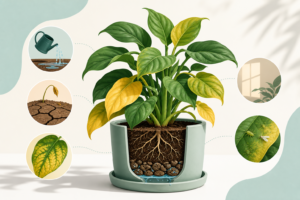
This is one of the most common mistakes. Overwatered plants often exhibit yellowing leaves and wilting. Always check the soil moisture before watering.
2. Underwatering
Conversely, not giving your plants enough water can lead to droopy leaves and stunted growth. Make sure to establish a regular watering schedule based on your plants’ needs.
3. Using Cold Water
Cold water can shock your plants. It’s best to use room temperature water to provide a more natural environment for your plants.
Seasonal Watering Guide
Plants often have different watering requirements depending on the season. Here’s a quick seasonal guide:
Spring
As temperatures start to rise, many plants enter their growth phase. Water them more frequently to support this growth.
Summer
During the hottest months, plants can dry out quickly. Monitor soil moisture daily and adjust your watering schedule accordingly.
Autumn
As temperatures cool, many plants begin to slow down their growth. You can reduce watering, but keep an eye on any ongoing growth.
Winter
Indoor plants often need less water in winter due to reduced light and growth. Always check soil moisture before watering.
FAQs
1. How often should I water my houseplants?
It depends on the plant type and environmental conditions. Generally, watering once a week is a good starting point.
2. What is the best time to water plants?
The best time to water plants is early in the morning when temperatures are cooler.
3. How do I know if I am overwatering my plants?
Signs of overwatering include yellowing leaves, root rot, and a musty smell from the soil.
4. Can I use tap water for my plants?
Yes, but let it sit for a few hours to allow chlorine to dissipate before using it on plants.
5. Should I water my plants in winter?
Yes, but most plants need less water in winter due to slower growth. Always check soil moisture before watering.
By following this plant watering guide, you can ensure your plants remain healthy and vibrant all year round. Understanding their needs and implementing proper watering techniques will lead to lush greenery in your home or garden.