The Ultimate Guide to Pet-Safe Indoor Plants
As a pet owner, you want your home to be a safe haven for your furry friends. One way to achieve this is by incorporating indoor plants that are non-toxic to pets. Not only do these plants beautify your living space, but they also contribute to a healthier environment. In this guide, we explore some of the best pet-safe indoor plants, their benefits, and tips on how to care for them.
Why Choose Pet-Safe Indoor Plants?
Many common houseplants can be toxic to pets, leading to serious health issues if ingested. Choosing pet-safe indoor plants ensures that your pets can roam freely without the risk of poisoning. Additionally, these plants can improve air quality, add aesthetic value to your home, and create a calming atmosphere for both you and your pets.
Top Pet-Safe Indoor Plants
1. Spider Plant (Chlorophytum comosum)
The spider plant is a popular choice for pet owners. It’s easy to care for, thrives in various light conditions, and is non-toxic to cats and dogs. The spider plant’s arching green leaves and white flowers add an elegant touch to any home.
2. Boston Fern (Nephrolepis exaltata)
This lush fern is not only pet-friendly but also acts as a natural air purifier. Boston ferns prefer indirect light and need consistent moisture, making them ideal for a bathroom or kitchen. Its feathery fronds can create a tropical vibe in your home.
3. Bamboo Palm (Chamaedorea seifrizii)
The bamboo palm is another pet-safe option that brings a touch of the tropics indoors. It’s known for its air-purifying qualities and can thrive in low light conditions. This plant grows tall and can become a stunning focal point in your living space.
4. Areca Palm (Dypsis lutescens)
Also known as the butterfly palm, the areca palm is safe for pets and can grow up to 7 feet tall. It requires bright, indirect sunlight and regular watering. The lush foliage can create a serene atmosphere and improve indoor air quality.
5. Calathea (Calathea spp.)
Calathea plants are known for their striking leaf patterns and colors. They are non-toxic to pets and thrive in humid environments, making them perfect for kitchens or bathrooms. They prefer low to medium light and should be watered when the top inch of soil feels dry.
How to Care for Pet-Safe Indoor Plants
Caring for your pet-safe indoor plants involves understanding their specific needs. Here are some general tips:
- Light Requirements: Ensure each plant receives the right amount of light, whether direct, indirect, or low light.
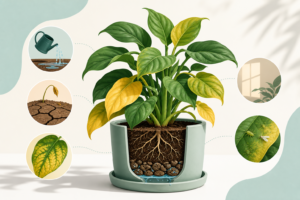
- Watering: Overwatering is a common mistake. Always check the soil moisture before watering.
- Humidity: Some plants thrive in humid environments. You can increase humidity by misting or placing a humidifier nearby.
- Fertilization: Use a balanced fertilizer during the growing season to promote healthy growth.
Creating a Pet-Friendly Environment
While it’s essential to choose pet-safe plants, consider other factors in your home environment. Here are some tips for creating a pet-friendly space:
- Place plants out of reach if your pets are prone to nibbling.
- Choose sturdy pots that are less likely to tip over.
- Regularly dust your plants to keep them healthy and vibrant.
FAQs About Pet-Safe Indoor Plants
1. What plants are safe for dogs and cats?
Some popular pet-safe plants include spider plants, Boston ferns, bamboo palms, areca palms, and calatheas. Always research before introducing new plants into your home.
2. How do I know if a plant is toxic to my pet?
Consult reputable sources, such as the ASPCA’s list of toxic and non-toxic plants, to check if a plant is safe for your pets.
3. What should I do if my pet ingests a toxic plant?
If you suspect your pet has ingested a toxic plant, contact your veterinarian immediately for advice and possible treatment.
4. Can I grow herbs indoors that are safe for pets?
Yes, many herbs such as basil, cilantro, and parsley are safe for pets and can be grown indoors.
5. How can I encourage my pets to stay away from my plants?
Consider using deterrents like citrus peels, which many pets dislike, or creating barriers around your plants.
Conclusion
Incorporating pet-safe indoor plants into your home can enhance your living space while keeping your furry companions safe. By choosing the right plants and understanding their care requirements, you can create a beautiful environment that benefits both you and your pets. Remember to always do your research and consult with experts if you’re unsure about the safety of a particular plant.