The Best Low-Light Indoor Plants for Your Home: A Comprehensive Guide
Indoor gardening has become increasingly popular as more people recognize the benefits of having plants in their homes. Whether you’re looking to improve air quality, add a touch of nature to your decor, or simply enjoy the beauty of greenery, low-light indoor plants are an excellent choice for spaces with less natural light. In this guide, we’ll explore the best low-light indoor plants, their care requirements, and why they can be a perfect addition to your home.
Why Choose Low-Light Indoor Plants?
Low-light indoor plants are ideal for various reasons:
- Perfect for Shaded Areas: Many homes have rooms or corners that don’t get ample sunlight. Low-light plants thrive in these conditions.
- Easy Care: Generally, low-light plants require less maintenance than their high-light counterparts. This makes them great for beginners.
- Improves Air Quality: Indoor plants help purify the air, removing toxins and increasing oxygen levels.
- Enhances Decor: They add beauty and life to any indoor space, enhancing the overall aesthetic.
Top Low-Light Indoor Plants
1. Snake Plant (Sansevieria)
The snake plant is a hardy plant known for its striking upright leaves and tolerance for neglect. It can thrive in low-light conditions and requires minimal watering, making it a popular choice for busy individuals.
2. ZZ Plant (Zamioculcas zamiifolia)
The ZZ plant is another low-maintenance option that can survive in almost any lighting conditions. Its glossy leaves not only add aesthetic appeal but also require very little water and care.
3. Pothos (Epipremnum aureum)
Pothos, often known as devil’s ivy, is a fast-growing vine that can adapt to various lighting conditions. It’s great for hanging baskets or as a table centerpiece. Watering once the soil is dry to the touch is usually sufficient.
4. Peace Lily (Spathiphyllum)
Peace lilies are known for their beautiful white blooms and ability to thrive in low-light conditions. They also help improve indoor air quality. Keep the soil moist but avoid overwatering to maintain its health.
5. Spider Plant (Chlorophytum comosum)
The spider plant is known for its arching leaves and baby spiderettes. It can tolerate various light levels, making it a versatile option for many indoor spaces.
6. Cast Iron Plant (Aspidistra elatior)
True to its name, the cast iron plant is incredibly resilient. It can survive neglect, low-light conditions, and even poor soil quality. Its lush green leaves add a tropical vibe to any room.
7. Dracaena
Dracaena varieties are popular for their striking foliage and resistance to low light. They can grow tall and provide a dramatic touch to your indoor garden. Water them when the top inch of soil feels dry.
How to Care for Low-Light Indoor Plants
Caring for low-light indoor plants is relatively easy, but there are some essential tips to ensure they thrive:
- Watering: Always check the top inch of soil before watering. Most low-light plants prefer to dry out slightly between waterings.
- Cleaning Leaves: Dust can accumulate on leaves, hindering photosynthesis. Wipe leaves gently with a damp cloth to keep them clean.
- Fertilizing: Use a balanced, water-soluble fertilizer during the growing season (spring and summer) to promote healthy growth.
- Repotting: Most low-light plants can stay in their pots for years. Repot only when they outgrow their containers.
Common Problems and Solutions
Even low-light plants can face issues. Here are some common problems and how to solve them:
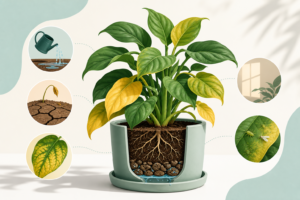
- Yellowing Leaves: This could be a sign of overwatering. Allow the plant to dry out before watering again.
- Stunted Growth: If your plant is not growing, it might not be getting enough light. Consider moving it to a slightly brighter area.
- Brown Tips: Brown tips on leaves can indicate underwatering or low humidity. Increase watering and mist the plant to improve humidity.
FAQs About Low-Light Indoor Plants
1. Can low-light indoor plants survive without any sunlight?
While low-light plants are adaptable, they still need some indirect light to survive. Complete darkness can hinder their growth.
2. How often should I water my low-light indoor plants?
Watering frequency varies by species, but generally, you should water when the top inch of soil feels dry.
3. Do low-light plants need fertilizer?
Yes, during the growing season, a balanced fertilizer can help promote vibrant growth, but avoid over-fertilizing as it can damage the plant.
4. Can I grow low-light plants in my office?
Absolutely! Many low-light plants can thrive in office environments where natural light is limited, making them perfect for desks and workspaces.
5. Where should I place my low-light indoor plants?
Place them in rooms with indirect light, such as north-facing windows, or in corners of your home that don’t receive direct sunlight.
Conclusion
Low-light indoor plants offer an excellent solution for those looking to bring greenery into their homes without the need for bright sunlight. Whether you choose a snake plant, peace lily, or ZZ plant, each offers unique beauty and benefits. By following the care tips outlined in this guide, you can enjoy a thriving indoor garden that enhances your home environment.