The Ultimate Guide to Gardening for Beginners
Gardening is a rewarding hobby that allows you to connect with nature, grow your own food, and beautify your surroundings. Whether you have a sprawling backyard or a tiny balcony, this comprehensive guide will help you get started on your gardening journey.
1. Understanding the Basics of Gardening
Before you dig into the soil, it’s crucial to understand the basic elements of gardening. Here are the key components:
- Soil: Healthy soil is the foundation of a thriving garden. It should be rich in nutrients and have good drainage.
- Water: Plants need water to grow. Develop a consistent watering schedule based on your plants’ needs.
- Sunlight: Most plants require a specific amount of sunlight. Make sure to place them in areas where they can receive appropriate light.
- Air: Good air circulation is essential for plant health. Avoid overcrowding your plants to prevent disease.
2. Choosing the Right Location
Your garden’s location will significantly affect its success. Consider the following:
- Sun Exposure: Observe how much sunlight different areas of your yard receive throughout the day.
- Accessibility: Choose a spot that is easy to access for watering and maintenance.
- Protection from Wind: If possible, select a location that is sheltered from harsh winds.
3. Selecting Plants for Your Garden
When starting, it’s best to choose plants that are easy to grow and suitable for your climate. Here are some excellent beginner-friendly options:
- Herbs: Basil, mint, and parsley are great choices for beginners.
- Vegetables: Consider growing tomatoes, carrots, or lettuce.
- Flowers: Sunflowers, marigolds, and zinnias can add beauty to your garden.
4. Planning Your Garden Layout
Once you’ve chosen your plants, think about how to arrange them. Here are some tips for planning your garden layout:
- Spacing: Be sure to give each plant enough space to grow.
- Grouping: Plant flowers and vegetables together that have similar water and sunlight needs.
- Vertical Gardening: Use trellises or cages for climbing plants to save space.
5. Preparing the Soil
Healthy soil is vital for strong plants. Follow these steps to prepare your soil:
- Tilling: Loosen the soil with a shovel or garden fork.
- Adding Organic Matter: Mix in compost or well-rotted manure to improve soil fertility.
- Testing pH: Consider testing your soil’s pH to determine necessary amendments.
6. Planting Your Seeds and Seedlings
When planting, follow the guidelines for each specific plant type. Here are some general tips:
- Depth: Plant seeds at the recommended depth on the seed packet.
- Watering: Water the soil gently after planting to help with seed germination.
7. Watering Your Garden
Proper watering is crucial for plant health. Here’s how to do it effectively:
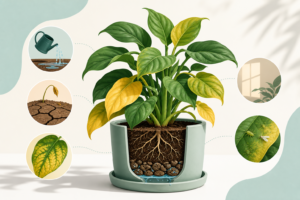
- Frequency: Water your plants regularly, but allow the soil to dry slightly between watering.
- Time of Day: Water in the early morning or late evening to reduce evaporation.
8. Maintaining Your Garden
Regular maintenance will help ensure your garden thrives:
- Weeding: Keep weeds at bay to prevent competition for nutrients and water.
- Fertilizing: Apply fertilizer as needed based on your plants’ growth stages.
- Pest Control: Monitor for pests and use organic methods to mitigate problems.
9. Harvesting Your Crops
Once your vegetables and herbs are ready, it’s time to harvest:
- Timing: Harvest vegetables when they’re mature but still young for the best flavor.
- Technique: Use clean shears or scissors to avoid damaging the plants.
10. FAQs About Gardening for Beginners
Q: What’s the best time to start gardening?
A: Spring is usually the best time to start gardening, but you can begin in late winter with indoor seeds.
Q: Do I need a lot of space to start a garden?
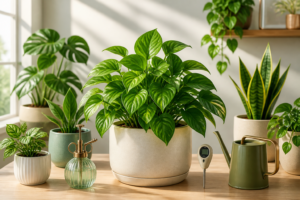
A: No, you can start with a small container garden if space is limited. Many plants thrive in pots.
Q: How often should I water my plants?
A: This depends on the plant and weather conditions. Generally, most plants need watering once or twice a week.
Q: Can I grow vegetables in pots?
A: Yes, many vegetables grow well in pots, especially herbs, tomatoes, and peppers.
Q: What tools do I need to start gardening?
A: Basic tools include a spade, trowel, watering can, and gardening gloves.
Conclusion
Gardening is a fulfilling and enjoyable activity that can provide fresh produce and enhance your outdoor space. With these tips for beginners, you’re well on your way to creating a beautiful and productive garden. Remember, every expert gardener started as a beginner, so don’t hesitate to experiment and learn along the way!