The Ultimate Plant Watering Guide: Best Practices for Thriving Plants
Watering plants may seem straightforward, but it is one of the most critical aspects of plant care. Overwatering and underwatering can lead to a host of problems, from root rot to dehydration. In this comprehensive guide, we’ll explore the best practices for watering your plants, ensuring they receive the optimal amount of moisture for healthy growth.
Understanding Plant Watering Needs
Every plant has unique watering requirements based on its species, size, and environmental conditions. Understanding these needs is the first step to successful plant care.
Factors Affecting Watering Requirements
- Plant Type: Succulents require less water than tropical plants.
- Soil Type: Well-draining soil retains less moisture than clay soil.
- Climate: Hot, dry conditions increase evaporation rates, necessitating more frequent watering.
- Growth Stage: Young plants often need more water than established ones.
Signs of Overwatering vs. Underwatering
Recognizing the signs of overwatering and underwatering is crucial for maintaining your plants’ health.
Signs of Overwatering
- Yellowing leaves
- Wilting despite wet soil
- Root rot
- Fungus or mold development
Signs of Underwatering
- Brown leaf tips
- Crispy, dry soil
- Wilting
- Slow growth
Best Practices for Watering Plants
1. Check Soil Moisture
Always check the soil moisture before watering. Insert your finger about an inch into the soil; if it feels dry, it’s time to water.
2. Water Deeply and Less Frequently
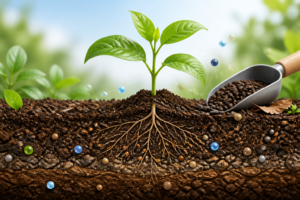
Instead of frequent shallow watering, aim for deep watering sessions. This encourages roots to grow deeper into the soil, enhancing stability and nutrient absorption.
3. Use the Right Watering Technique
Water your plants at the base, avoiding wetting the leaves. This helps prevent fungal diseases and allows the water to reach the roots directly.
4. Adjust to Season and Environment
Monitor your plants’ needs based on seasonal changes. During hot months, increase watering frequency, while reducing it in cooler months.
5. Choose the Right Water
Use room temperature water for your plants. Cold water can shock their systems, while warm water encourages better absorption.
Watering Techniques for Different Types of Plants
Container Plants
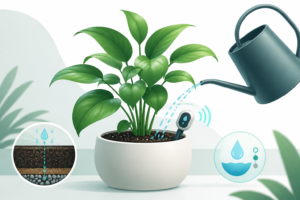
Container plants dry out faster than garden beds. Ensure pots have drainage holes and consider self-watering pots for convenience.
Indoor Plants
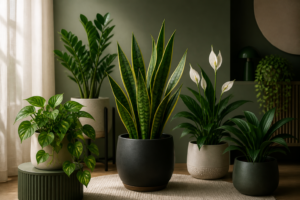
Indoor plants may require less frequent watering due to lower light and humidity levels. Use a moisture meter for accurate readings.
Outdoor Gardens
Water your outdoor garden early in the morning or late in the afternoon to minimize evaporation. Group plants with similar water needs together to simplify your watering schedule.
Tools for Effective Plant Watering
Watering Cans and Hoses
Select watering cans with a narrow spout for indoor plants and hoses with adjustable nozzles for outdoor use.
Moisture Meters
Investing in a moisture meter can help you accurately gauge soil moisture levels, preventing over and underwatering.
Drip Irrigation Systems
If you have a large garden, consider setting up a drip irrigation system. This method conserves water while ensuring plants receive consistent moisture.
Frequently Asked Questions (FAQ)
How often should I water my plants?
The frequency of watering depends on the plant type, size, and environmental conditions. Generally, check the soil moisture and water when it feels dry about an inch down.
Can I use tap water for my plants?
Yes, but it’s best to let tap water sit for 24 hours to allow chlorine to dissipate. Rainwater is also a great alternative.
What is the best time to water plants?
Watering in the early morning or late afternoon is ideal to reduce evaporation and allow plants to absorb moisture effectively.
What should I do if my plant is overwatered?
If you suspect overwatering, allow the soil to dry out completely before watering again. If root rot occurs, consider repotting the plant in fresh, dry soil.
Conclusion
Proper watering is fundamental to plant health and growth. By understanding your plants’ specific needs and following best practices, you can help them thrive and flourish in your care. Happy gardening!