The Ultimate Guide to Vegetable Gardening
Vegetable gardening is a rewarding hobby that not only provides fresh produce but also enhances your connection with nature. Whether you’re a seasoned gardener or a beginner looking to start your first garden, this comprehensive guide will cover everything you need to know about vegetable gardening.
Getting Started with Vegetable Gardening
Choosing the Right Location
The first step in successful vegetable gardening is selecting the right location. Look for a spot that receives at least 6-8 hours of sunlight each day, has good drainage, and is easily accessible for maintenance.
Understanding Your Soil
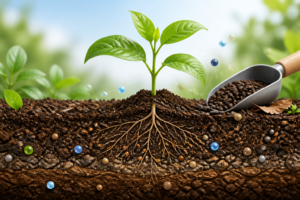
Soil quality is crucial for a thriving vegetable garden. Conduct a soil test to determine its pH and nutrient levels. Most vegetables prefer a pH between 6.0 and 7.5. Based on the results, you may need to amend your soil with organic matter like compost or well-rotted manure to improve its fertility.
Choosing the Right Vegetables
When selecting vegetables for your garden, consider your climate, growing season, and personal preferences. Some easy-to-grow options for beginners include:
- Tomatoes
- Radishes
- Lettuce
- Carrots
- Peppers
Planning Your Vegetable Garden
Creating a Garden Layout
Effective garden planning can maximize your space and yield. Consider using raised beds or traditional rows. Ensure that taller plants do not shade shorter ones. Companion planting can also help by pairing plants that benefit each other.
Seed Starting and Transplanting
You can start seeds indoors or directly sow them in your garden. If starting indoors, use seed trays and provide adequate light. Once seedlings are strong enough, transplant them into your garden, ensuring to harden them off for a week before planting.
Caring for Your Vegetable Garden
Watering Techniques
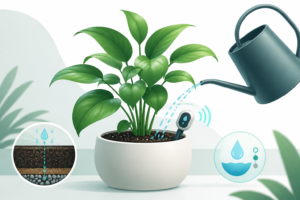
Watering your garden adequately is essential for plant health. Aim for about an inch of water per week, adjusting for rainfall. It’s best to water early in the morning or late in the afternoon to minimize evaporation. Drip irrigation systems can be effective for conserving water.
Pest and Disease Management
Keep an eye out for pests and diseases that can affect your plants. Introduce beneficial insects, such as ladybugs, and practice crop rotation to manage pests naturally. If necessary, use organic pest control methods to keep your garden healthy.
Harvesting Your Vegetables
Timing is crucial when it comes to harvesting. Each vegetable has its specific harvesting window for optimal flavor and texture. Regularly check your plants and harvest as needed to encourage continued production.
Preserving Your Harvest
Once you’ve harvested your vegetables, consider ways to preserve them. Canning, freezing, and drying are all excellent methods to enjoy your garden’s bounty year-round.
FAQs About Vegetable Gardening
1. What is the best time to start a vegetable garden?
The best time to start a vegetable garden depends on your climate. Generally, it’s recommended to plant cool-season crops in early spring and warm-season crops after the last frost date.
2. How do I know when to harvest my vegetables?
Each vegetable has its specific signs for ripeness. Research the vegetables you’re growing to understand their optimal harvesting time.
3. How can I prevent pests in my garden?
To prevent pests, maintain good garden hygiene, introduce beneficial insects, and use organic pesticides when necessary.
4. What are companion plants?
Companion plants are those that can benefit each other when grown together, whether by repelling pests, attracting beneficial insects, or improving nutrient uptake.
5. Can I grow vegetables in containers?
Yes! Many vegetables can thrive in containers, especially if you choose the right size pot and provide adequate drainage and soil.
Conclusion
Vegetable gardening is a fulfilling activity that can provide you with fresh produce and a sense of accomplishment. By following the tips and guidelines outlined in this guide, you’ll be well on your way to cultivating a successful vegetable garden. Happy gardening!