The Ultimate Guide to Low-Light Indoor Plants
If you’ve ever wanted to bring the beauty of nature indoors but thought your dimly lit spaces might not be suitable, worry no more! Low-light indoor plants are the perfect solution. In this guide, we’ll explore various low-light plants that can thrive in your home, tips for their care, and the benefits of adding greenery to your indoor environment.
Why Choose Low-Light Indoor Plants?
Low-light indoor plants are ideal for spaces that don’t receive much sunlight. They are perfect for:
- Office spaces
- Bedrooms
- Bathrooms
- Rooms with small windows
These plants have adapted to thrive in lower light conditions, making them a great addition to any indoor setting, especially if you’re not a seasoned gardener.
Top Low-Light Indoor Plants
1. Snake Plant (Sansevieria)
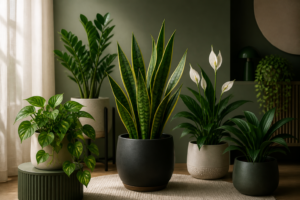
The Snake Plant, also known as Mother-in-law’s tongue, is one of the most resilient indoor plants. It can survive in low light and requires minimal watering. This hardy plant features tall, sword-like leaves that can add a striking element to your decor.
2. ZZ Plant (Zamioculcas zamiifolia)
The ZZ Plant is another excellent choice for low-light conditions. Its glossy, dark green leaves reflect light, making it a beautiful addition to any room. It’s drought-tolerant and can survive without frequent watering.
3. Pothos (Epipremnum aureum)
Pothos is a favorite among indoor gardeners for its trailing vines and heart-shaped leaves. It can tolerate low light and is also forgiving if you forget to water it occasionally. Pothos can be trained to climb or allowed to cascade over shelves.
4. Peace Lily (Spathiphyllum)
The Peace Lily is known for its elegant white flowers and dark green leaves. It thrives in low light and can even bloom in such conditions, making it perfect for enhancing your indoor environment.
5. Spider Plant (Chlorophytum comosum)
The Spider Plant is characterized by its arching leaves and baby plantlets that dangle from the mother plant. It’s adaptable to various light conditions, including low light, and is also excellent for air purification.
Care Tips for Low-Light Indoor Plants
While low-light plants are easier to care for, they still require attention to thrive. Here are some essential care tips:
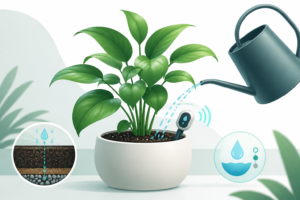
- Watering: Allow the soil to dry out between watering to prevent root rot. Most low-light plants prefer to be on the dryer side.
- Humidity: Many low-light plants appreciate a bit of humidity. You can mist their leaves regularly or place a small humidifier nearby.
- Fertilizing: Use a balanced, water-soluble fertilizer during the growing season (spring and summer) to encourage healthy growth.
- Cleaning: Dust can accumulate on leaves, hindering their ability to photosynthesize. Wipe the leaves with a damp cloth occasionally.
The Benefits of Indoor Plants
Adding low-light indoor plants to your space can offer several benefits:
- Improved Air Quality: Indoor plants can help filter toxins and improve overall air quality.
- Reduced Stress: Studies have shown that being around plants can help reduce stress levels and promote a sense of well-being.
- Increased Humidity: Plants release moisture into the air, which can help maintain humidity levels in dry environments.
- Aesthetic Appeal: Indoor plants can add color and life to any room, making them a beautiful decor element.
Frequently Asked Questions (FAQ)
1. Can low-light plants survive in complete darkness?
No, while low-light plants can thrive in dim conditions, they still need some indirect light. Complete darkness is not suitable for any plant.
2. How often should I water my low-light plants?
It depends on the plant, but a general rule is to water when the top inch of soil feels dry. Overwatering is a common mistake, so it’s better to underwater than overwater.
3. Can I place low-light plants in my bathroom?
Yes, many low-light plants, such as the Peace Lily and Spider Plant, thrive in the humid conditions of a bathroom.
4. Are low-light plants safe for pets?
Some low-light plants are toxic to pets, while others are pet-friendly. Always check if a plant is safe for pets before bringing it into your home.
5. How can I propagate my low-light plants?
Many low-light plants, like Pothos and Spider Plants, can be easily propagated through cuttings. Place cuttings in water or soil, and they will root and grow into new plants.
Conclusion
Low-light indoor plants are a fantastic way to enhance your living space, improve air quality, and add a touch of nature to your home. With a variety of options available, you can easily find the perfect plants to suit your style and care level. Remember to follow the care tips provided to ensure your plants thrive in their new environment!