How to Care for Indoor Plants: A Complete Guide
Indoor plants can transform your home into a vibrant and refreshing space. They not only add aesthetic value but also improve air quality and enhance overall well-being. However, caring for indoor plants can be challenging if you’re unfamiliar with their specific needs. In this comprehensive guide, we will delve into everything you need to know about taking care of your indoor greenery.
Choosing the Right Indoor Plants
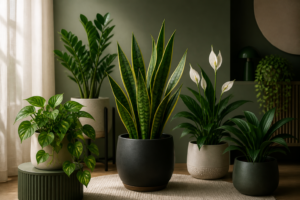
Before diving into care techniques, it’s crucial to choose the right plants for your indoor environment. Some popular options include:
- Spider Plant: Tolerates a variety of conditions and is low-maintenance.
- Pothos: Thrives in low light and is forgiving if you forget to water it.
- Snake Plant: Extremely hardy and requires minimal care.
- Peace Lily: Beautiful blooms and helps purify the air.
Understanding Light Requirements
One of the first steps in caring for indoor plants is understanding their light needs. Most indoor plants fall into one of three categories:
- Low Light: Plants like snake plants and pothos thrive in indirect light.
- Medium Light: Plants like peace lilies prefer filtered sunlight.
- Bright Light: Succulents and cacti need plenty of direct sunlight.
Position your plants accordingly, and if natural light is limited, consider using grow lights to supplement.
Watering Your Indoor Plants
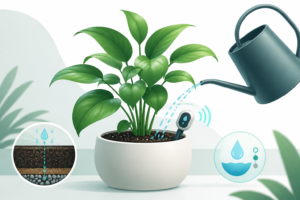
Watering is perhaps the most critical aspect of indoor plant care. Here are some guidelines to help you:
- Check Soil Moisture: Always check the top inch of soil; if it’s dry, it’s time to water.
- Water Thoroughly: When you water, ensure that water flows out of the drainage holes at the bottom of the pot.
- Adjust for Seasons: Plants typically need more water during the growing season (spring and summer) and less during dormancy (fall and winter).
Humidity and Temperature
Indoor plants often thrive in a humid environment. Here are some tips on maintaining humidity:
- Group Plants Together: This can create a microclimate with higher humidity.
- Use a Humidifier: Especially during dry winter months, a humidifier can benefit many plants.
- Keep Away from Drafts: Ensure plants are not placed near air conditioning vents or drafty windows.
Most indoor plants prefer temperatures between 65°F and 75°F (18°C to 24°C).
Fertilizing Indoor Plants
Fertilizing your indoor plants can promote healthy growth. Here are some essential tips:
- Choose the Right Fertilizer: Use a balanced, water-soluble fertilizer during the growing season.
- Follow Directions: Always adhere to the recommended dosages to avoid over-fertilization.
- Frequency: Typically, fertilize every 4-6 weeks during the growing season and reduce in the fall and winter.
Repotting Indoor Plants
Repotting is an essential part of indoor plant care that helps to refresh the soil and promote growth. Here’s when and how to repot:
- When to Repot: If roots are growing out of the drainage holes or if the plant isn’t thriving despite proper care, it may be time to repot.
- How to Repot: Choose a pot that’s one size larger, gently remove the plant from its current pot, and place it in the new pot with fresh soil.
Pest Control
Indoor plants can attract pests like spider mites, aphids, and mealybugs. Here’s how to manage pests:
- Regular Inspection: Check your plants regularly for any signs of pests.
- Natural Remedies: Use insecticidal soap or neem oil for treatment.
- Isolation: If you notice an infestation, isolate the affected plant to prevent spreading.
Pruning and Maintenance
Regular pruning can help keep your plants healthy and looking their best. Here are some tips:
- Remove Dead Leaves: Snip off any yellowed or brown leaves to prevent disease.
- Shape Your Plants: Trim back leggy growth to encourage bushiness.
- Consider Timing: The best time to prune is usually in the spring when plants are actively growing.
Common Indoor Plant Care Mistakes
Even experienced plant parents can make mistakes. Here are some common pitfalls to avoid:
- Overwatering: This is the top mistake. Always ensure proper drainage and let the soil dry out between waterings.
- Neglecting Dust: Dust can build up on leaves, blocking sunlight. Wipe leaves regularly with a damp cloth.
- Ignoring Signs of Stress: Be attentive to changes in leaf color, drooping, or stunted growth.
Frequently Asked Questions (FAQ)
How often should I water my indoor plants?
Watering frequency depends on the type of plant and environmental conditions. As a general rule, check the top inch of soil; if it’s dry, it’s time to water.
Do indoor plants need fertilizer?
Yes, indoor plants benefit from regular fertilization during the growing season to replenish nutrients in the soil.
How can I tell if my plant is getting enough light?
If your plant is leggy or has yellowing leaves, it may not be getting enough light. Conversely, scorched leaves can indicate too much direct sunlight.
What should I do if my indoor plant attracts pests?
Inspect the plant regularly, and if pests are found, treat them with insecticidal soap or neem oil. Isolate the plant to prevent spreading the infestation.
Is it necessary to repot indoor plants?
Yes, repotting refreshes the soil and gives roots more space to grow. Generally, it’s needed every 1-2 years.
Conclusion
Caring for indoor plants is a rewarding hobby that can bring joy and vitality to your home. By understanding their specific needs and avoiding common mistakes, you can create a thriving indoor garden. Remember, every plant is unique, so take time to learn about each one and enjoy the journey of nurturing your indoor oasis!