The Ultimate Plant Watering Guide
Watering plants is one of the most crucial aspects of plant care. Proper watering ensures that your plants receive the nutrients they need to thrive and grow. However, overwatering or underwatering can lead to various plant health issues. This comprehensive guide will help you understand the best practices for watering your plants effectively.
Understanding the Importance of Watering
Water is essential for plant survival. It plays a key role in:
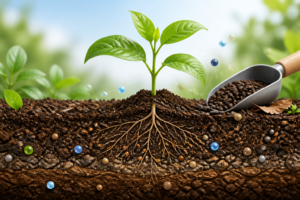
- Nutrient Transport: Water acts as a medium for transporting nutrients from the soil to the plant.
- Photosynthesis: Plants use water to convert sunlight into energy through photosynthesis.
- Temperature Regulation: Water helps maintain the plant’s temperature through transpiration.
How to Know When to Water Your Plants
Knowing when to water can be tricky. Here are some signs to look for:
- Soil Moisture: Stick your finger about an inch into the soil. If it feels dry, it’s time to water.
- Leaf Wilting: Drooping leaves can indicate a need for water.
- Yellowing Leaves: Overwatered plants may develop yellow leaves, indicating root damage.
Watering Techniques
There are several effective methods for watering your plants:
- Bottom Watering: Place pots in a tray of water, allowing the soil to absorb moisture from the bottom.
- Top Watering: Water plants directly at the base, ensuring the water penetrates the soil evenly.
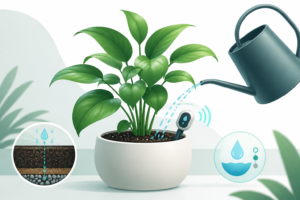
- Using a Watering Can: A watering can allows for controlled watering, minimizing the risk of overwatering.
Best Time to Water Plants
The timing of watering can significantly affect plant health:
- Morning: Watering in the morning allows plants to absorb moisture before the heat of the day.
- Evening: Watering in the evening can be effective, but be cautious of prolonged moisture which can lead to fungus.
Tools for Effective Watering
Investing in the right tools can make watering simpler:
- Watering Can: Ideal for indoor plants and small outdoor gardens.
- Hose with a Spray Nozzle: Useful for larger gardens and provides various spray options.
- Drip Irrigation System: An efficient method for watering larger areas with minimal waste.
Common Watering Mistakes to Avoid
Here are some common mistakes to avoid when watering your plants:
- Overwatering: This is one of the most common mistakes and can lead to root rot.
- Ignoring Soil Type: Different soil types retain moisture differently. Adjust your watering based on the soil your plants are in.
- Neglecting Seasonal Changes: Watering needs may change with the seasons. Adjust accordingly.
Plant-Specific Watering Needs
Different plants have varying watering requirements. Here are a few examples:
- Succulents: Need infrequent watering due to their ability to store water.
- Tropical Plants: Generally require more moisture and should be watered regularly.
- Herbs: Most herbs prefer consistent moisture, but do not like soggy soil.
FAQ Section
How often should I water my plants?
The frequency of watering depends on the type of plant, soil type, and environmental conditions. Generally, it’s best to check the soil moisture before watering.
Can I use tap water for my plants?
Yes, most plants can thrive on tap water, but let it sit for 24 hours to allow chlorine to dissipate.
What is the best way to water indoor plants?
Using a watering can is often the best option for indoor plants, allowing for controlled and even moisture distribution.
Should I water my plants in winter?
Yes, plants still need water during winter, but the frequency will likely decrease due to lower temperatures and reduced evaporation.
How do I fix overwatered plants?
If you suspect overwatering, allow the soil to dry out, repot the plant in fresh soil, and ensure proper drainage.
Conclusion
Proper watering is vital for healthy plants. By understanding the needs of your plants and following these guidelines, you can ensure your greenery thrives. Remember to observe your plants closely, as their needs may change over time. Happy gardening!