Essential Soil & Fertilizer Tips for Thriving Plants
Gardening is not just a hobby; it’s an art that requires knowledge, patience, and the right techniques. One of the most crucial aspects of successful gardening is understanding soil and fertilizer. In this blog post, we will delve into essential tips for improving soil quality and effectively using fertilizers to ensure your plants flourish.
Understanding Soil Composition
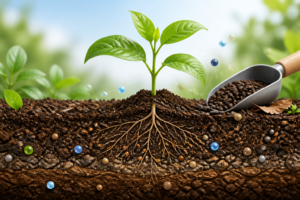
Soil is the foundation of any garden. It consists of organic matter, minerals, air, and water, each playing a vital role in plant growth. Here’s a brief overview of the components:
- Organic Matter: Decomposed plant and animal materials that enrich soil.
- Minerals: Nutrients like nitrogen, phosphorus, and potassium that support plant health.
- Air: Essential for root respiration.
- Water: Vital for nutrient uptake and photosynthesis.
Improving Soil Health
Healthy soil is key to a thriving garden. Here are some tips to enhance your soil quality:
1. Test Your Soil
Before making any amendments, conduct a soil test. A soil test will provide you with crucial information about pH levels and nutrient content. Most garden centers offer soil testing kits or you can send samples to local extension services.
2. Amend with Organic Matter
Adding organic matter, such as compost, can significantly improve soil structure, water retention, and nutrient availability. Incorporate compost into your soil at least once a year for the best results.
3. Practice Crop Rotation
Crop rotation helps prevent soil depletion and reduces pest and disease buildup. Alternate crops with varying nutrient needs to maintain balanced soil health.
Choosing the Right Fertilizers
Fertilizers provide essential nutrients that may not be present in adequate amounts in the soil. Here’s how to choose the right fertilizers:
1. Know the Nutrient Ratios
Fertilizers come with three numbers indicating the ratio of nitrogen (N), phosphorus (P), and potassium (K) – the primary macronutrients. For example, a fertilizer labeled 10-10-10 has equal parts of each nutrient. Choose based on your plants’ needs:
- Nitrogen: Promotes leafy growth.
- Phosphorus: Encourages root development and flowering.
- Potassium: Supports overall plant health and disease resistance.
2. Consider Organic vs. Synthetic Fertilizers
Organic fertilizers, such as bone meal or fish emulsion, are slow-releasing and improve soil health over time. Synthetic fertilizers, on the other hand, provide quick nutrient boosts but may lead to soil degradation if overused. Choose based on your gardening philosophy and goals.
3. Follow Recommended Application Rates
Applying too much fertilizer can harm plants and lead to nutrient runoff. Always follow the manufacturer’s instructions to determine the appropriate amount and frequency.
Application Timing and Techniques
The timing and method of fertilizer application can significantly impact its effectiveness. Here are some tips:
1. Apply at the Right Time
Apply fertilizers when plants are actively growing, usually in the spring and early summer. Avoid fertilizing in late fall when plants are preparing for dormancy.
2. Use the Right Application Method
Fertilizers can be applied in various ways, including:
- Broadcasting: Spreading granules evenly over the soil surface.
- Foliar Feeding: Spraying liquid fertilizers directly on leaves for quick absorption.
- Banding: Placing fertilizer in a band near the plant roots.
Common Mistakes to Avoid
Preventing common gardening mistakes can save time and resources:
- Over-Fertilizing: This can burn roots and harm plants. Always err on the side of caution.
- Ignoring Soil Health: Neglecting soil amendments can lead to long-term issues.
- Overlooking Water Needs: Proper watering is essential, especially after fertilization to prevent fertilizer burn.
FAQ Section
1. How often should I fertilize my garden?
Most gardens benefit from fertilization every 4-6 weeks during the growing season. However, this can vary depending on the type of plants and soil conditions.
2. What is the best way to improve poor soil?
The best way to improve poor soil is by adding organic matter, conducting soil tests, and regularly practicing crop rotation.
3. Are organic fertilizers better than synthetic ones?
Organic fertilizers improve soil health over time but may release nutrients more slowly than synthetic fertilizers. The best choice depends on your gardening goals.
4. Can I use fertilizer on seedlings?
Yes, but it’s crucial to use a diluted solution or a fertilizer designed for seedlings to avoid burning young plants.
Conclusion
With the right knowledge and practices, you can cultivate a thriving garden. Understanding soil composition, improving soil health, and using fertilizers wisely are essential steps in this process. By following these soil and fertilizer tips, you will set the foundation for a flourishing garden for years to come.