The Ultimate Guide to Low-Light Indoor Plants
In today’s modern homes, low-light indoor plants have become increasingly popular due to their resilience and aesthetic appeal. These plants are not only ideal for spaces with limited natural light, but they also bring numerous benefits such as improved air quality and a calming atmosphere. In this guide, we will explore the best low-light indoor plants, their care requirements, and how to incorporate them into your living space.
Why Choose Low-Light Indoor Plants?
Many households face the challenge of having rooms that receive little to no natural sunlight. Low-light indoor plants are specially adapted to thrive in these conditions, making them an excellent choice for:
- Spaces with restricted sunlight, such as basements, offices, or north-facing rooms.
- Busy individuals who may not have time for extensive plant care.
- Those looking to add greenery without overwhelming their decor.
Top Low-Light Indoor Plants
1. Snake Plant (Sansevieria)
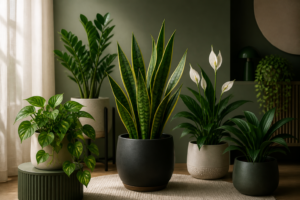
Known for its striking upright leaves, the snake plant is virtually indestructible. It can survive in low light and requires minimal watering, making it a perfect choice for beginners. Place it in a corner for a dramatic effect!
2. ZZ Plant (Zamioculcas zamiifolia)
The ZZ plant is another resilient option. Its glossy leaves can brighten up any room, and it thrives on neglect. This plant can tolerate low light and infrequent watering, making it ideal for busy lifestyles.
3. Pothos (Epipremnum aureum)
Pothos is a versatile and adaptable plant that can grow in various lighting conditions, including low light. Its trailing vines can be used to create beautiful indoor displays, whether in hanging baskets or draping over shelves.
4. Peace Lily (Spathiphyllum)
The peace lily is not only beautiful with its elegant white blooms, but it also helps to purify the air. It thrives in low light but prefers a little more moisture, so keep the soil slightly damp for best results.
5. Cast Iron Plant (Aspidistra elatior)
True to its name, the cast iron plant is incredibly hardy. It can tolerate low light, neglect, and fluctuating temperatures, making it an ideal choice for those less experienced with plant care.
Care Tips for Low-Light Indoor Plants
Lighting
While these plants can survive with minimal light, they still need some indirect sunlight. Place them near windows with filtered light or in spaces that receive a bit of indirect illumination.
Watering
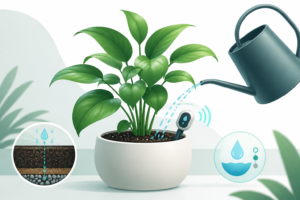
Overwatering is a common mistake with indoor plants. For low-light varieties, allow the top inch of soil to dry out before watering again. This helps prevent root rot and ensures healthy growth.
Humidity and Temperature
Most low-light plants thrive in average household humidity and temperatures. Avoid placing them near heating vents or cold drafts to maintain a stable environment.
Decorating with Low-Light Indoor Plants
Incorporating low-light indoor plants into your decor can transform your space. Here are some tips:
- Group Plants: Create a small indoor garden by grouping several low-light plants together. This not only looks appealing but also increases humidity.
- Use Unique Planters: Choose decorative pots that complement your interior design style. Hanging planters or wall-mounted options can also save space.
- Accessorize: Add decorative stones or moss to the top of the pot for a polished look.
Common FAQs about Low-Light Indoor Plants
1. Can low-light plants survive in complete darkness?
No, all plants require some light to perform photosynthesis. While they can thrive in low light, complete darkness will hinder their growth.
2. How often should I water my low-light plants?
Watering frequency can vary based on the plant and environmental conditions. Generally, check the soil moisture; if the top inch is dry, it’s time to water.
3. Do low-light plants need fertilizer?
Low-light plants typically need less fertilizer than other plants. A balanced, diluted fertilizer every few months during the growing season should suffice.
4. Are low-light plants safe for pets?
Some low-light plants, like the snake plant and peace lily, can be toxic to pets. Always research specific plants to ensure they are safe for your household.
5. Can I grow low-light plants in my bathroom?
Yes! Many low-light plants thrive in humid environments, making them perfect for bathrooms. Just ensure they receive some indirect light.
Conclusion
Low-light indoor plants offer a beautiful and practical solution for enhancing your home decor while improving air quality. By selecting the right plants and ensuring proper care, you can enjoy the benefits of greenery even in the dimmest corners of your home. Consider adding a few of these resilient plants to your space today!