The Ultimate Guide to Pet-Safe Indoor Plants
As pet owners, we want to create a comfortable and inviting home, and that often includes greenery. However, many common houseplants can be toxic to pets. In this guide, we will explore a variety of pet-safe indoor plants that not only beautify your living space but also ensure the safety of your furry friends.
Why Choose Pet-Safe Plants?
Indoor plants provide numerous benefits such as improving air quality, enhancing mood, and adding a touch of nature to your home. However, when you have pets, it’s essential to choose plants that won’t harm them. Toxic plants can lead to serious health issues for your pets, making pet-safe plants a top priority.
Top Pet-Safe Indoor Plants
1. Spider Plant (Chlorophytum comosum)
The Spider Plant is not only safe for pets but also easy to care for. With its arching leaves and small white flowers, it adds an aesthetic appeal to any room. Additionally, it’s known for its air-purifying properties.
2. Boston Fern (Nephrolepis exaltata)
This lush, green fern is a great choice for pet owners. Boston Ferns thrive in humid conditions and indirect light, making them perfect for bathrooms or kitchens. They actively filter indoor air pollutants.
3. Areca Palm (Dypsis lutescens)
Also known as the Butterfly Palm, the Areca Palm is excellent for adding a tropical feel to your home. It grows tall and adds height to your decor while being completely safe for pets.
4. Parlor Palm (Chamaedorea elegans)
The Parlor Palm is a popular houseplant that thrives in low light and is non-toxic to pets. Its feathery fronds create a serene atmosphere, making it a perfect addition to any indoor space.
5. Bamboo Palm (Chamaedorea seifrizii)
The Bamboo Palm is another pet-safe option that also acts as a natural air purifier. It’s known for its easy maintenance and can adapt to a variety of indoor conditions.
6. Calathea (Calathea spp.)
Calathea plants are famous for their stunning leaf patterns and colors. These plants are non-toxic to pets and thrive in indirect sunlight, making them a beautiful yet safe choice for your home.
Benefits of Keeping Indoor Plants
Incorporating plants into your indoor environment offers several benefits:
- Improved Air Quality: Plants can absorb toxins and improve the overall quality of the air you breathe.
- Enhanced Mood: Studies show that being around plants can reduce stress and increase feelings of happiness.
- Natural Humidifiers: Plants release moisture into the air, helping to balance humidity levels.
- Decorative Appeal: Indoor plants can elevate the aesthetic of any room.
How to Care for Your Pet-Safe Plants
To ensure your pet-safe plants thrive, consider the following care tips:
- Light: Understand the light requirements of each plant. Some may prefer bright, direct light, while others thrive in low light.
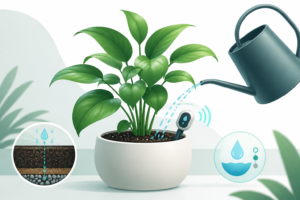
- Water: Over-watering is a common mistake. Ensure pots have drainage holes and water according to the plant’s needs.
- Soil: Use well-draining potting soil suitable for your plant type.
- Humidity: Some plants may require higher humidity levels. Consider misting them or placing a humidifier nearby.
Common Myths About Pet-Safe Plants
There are several misconceptions regarding houseplants and pet safety. Here are a few:
- Myth: All plants with thorns are dangerous. Truth: While some thorny plants can be toxic, many are safe.
- Myth: If a plant is safe for dogs, it must be safe for cats. Truth: Some plants may be safe for one type of pet but toxic to another.
FAQ Section
Are all indoor plants safe for pets?
No, not all indoor plants are safe for pets. Many common houseplants can be toxic to dogs and cats, causing symptoms ranging from mild stomach upset to more severe health issues.
How can I tell if a plant is toxic to my pet?
Always research a plant before bringing it home. Look for resources that specifically mention pet safety, or consult with your veterinarian for guidance.
What should I do if my pet eats a toxic plant?
If you suspect your pet has ingested a toxic plant, contact your veterinarian immediately for advice based on the specific plant and symptoms.
Can I still have plants if my pet is prone to chewing?
Yes! Consider placing plants out of reach or using pet-safe deterrents. Additionally, choose sturdy plants that are less attractive to chew on.
How do I care for my pet-safe plants?
Care for your plants based on their specific light, water, and humidity needs. Regularly check for pests and diseases to keep them healthy.
Final Thoughts
Choosing pet-safe indoor plants is a responsible decision that enhances your home while ensuring the safety of your furry companions. With a variety of beautiful options available, you can enjoy the benefits of plants without worrying about your pet’s health. Happy planting!