How to Care for Indoor Plants: A Comprehensive Guide
Indoor plants have gained immense popularity in recent years, not only for their aesthetic appeal but also for their numerous health benefits. Whether you are a seasoned plant parent or a beginner, understanding how to care for indoor plants is crucial for maintaining a thriving indoor garden. In this guide, we’ll explore essential tips and techniques for caring for indoor plants.
Why Care for Indoor Plants?
Caring for indoor plants goes beyond mere decoration. They improve air quality, boost mood, and can even enhance productivity. With proper care, your indoor plants can flourish, providing you with all their benefits.
Choosing the Right Indoor Plants
The first step in caring for indoor plants is selecting the right ones. Consider factors such as lighting, humidity, and space when choosing plants. Here are a few popular options:
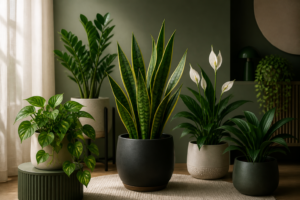
- Snake Plant: Low-maintenance and tolerant of low light.
- Pothos: A hardy vine that thrives in various conditions.
- Peace Lily: Known for its beautiful blooms and air-purifying qualities.
- Spider Plant: Great for beginners and effective at removing toxins from the air.
Understanding Light Requirements
Light is essential for plant growth. Different plants have varying light requirements:
- Low Light: Snake plants and pothos can thrive in low light conditions.
- Medium Light: Peace lilies and spider plants prefer indirect sunlight.
- Bright Light: Succulents and cacti need direct sunlight to flourish.
Position your plants accordingly to ensure they receive the right amount of light.
Watering Indoor Plants
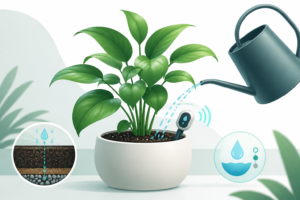
Watering is a critical aspect of plant care. Overwatering is one of the most common mistakes made by indoor gardeners. Here are some tips for successful watering:
- Check Soil Moisture: Use your finger to test the soil moisture. If the top inch is dry, it’s time to water.
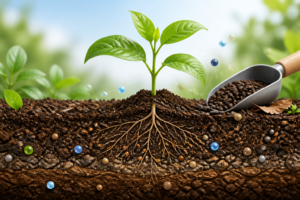
- Water Deeply: Ensure water penetrates the soil to encourage deep root growth.
- Use Drainage: Always use pots with drainage holes to prevent water from accumulating at the bottom.
Humidity Levels
Most indoor plants prefer higher humidity levels. To maintain optimal humidity:
- Group Plants: Placing plants close together can create a more humid microenvironment.
- Misting: Lightly mist your plants during dry seasons.
- Use a Humidifier: Consider using a humidifier during winter months when indoor air tends to be drier.
Fertilizing Indoor Plants
Indoor plants require nutrients to grow. Fertilizing them appropriately will help them thrive. Here’s how:
- Choose the Right Fertilizer: Use a balanced, water-soluble fertilizer for most indoor plants.
- Frequency: Fertilize every 4-6 weeks during the growing season (spring and summer).
- Follow Instructions: Always follow the manufacturer’s instructions for dosage.
Repotting Indoor Plants
As plants grow, they may outgrow their pots. Repotting is essential to provide them with fresh soil and more space. Signs that your plant needs repotting include:
- Roots growing out of drainage holes.
- Stunted growth or yellowing leaves.
- Soil that dries out very quickly after watering.
When repotting, choose a pot that is 1-2 inches larger in diameter than the current one, and use fresh potting soil.
Pest and Disease Management
Indoor plants can be susceptible to pests and diseases. Here are some management strategies:
- Regular Inspection: Check your plants weekly for signs of pests like spider mites or aphids.
- Natural Remedies: Use insecticidal soap or neem oil as a natural pest control option.
- Proper Air Circulation: Ensure good airflow around your plants to prevent mold and mildew.
Seasonal Care Tips
Indoor plant care can vary with the seasons. Here are some seasonal tips:
- Spring: This is the growing season. Increase watering and feed your plants with fertilizer.
- Summer: Some plants may need more water due to increased evaporation.
- Fall: Gradually decrease watering as plants enter dormancy.
- Winter: Reduce fertilization and be cautious about watering, as many plants need less moisture.
Frequently Asked Questions (FAQ)
1. How often should I water my indoor plants?
It depends on the type of plant and environmental conditions. Generally, check the top inch of soil for dryness, and water when necessary.
2. What type of soil is best for indoor plants?
A well-draining potting mix is ideal for most indoor plants. Look for mixes that contain peat, perlite, or vermiculite.
3. Can indoor plants survive in low light?
Yes, some indoor plants, like snake plants and pothos, are specifically suited for low-light conditions.
4. What should I do if my plant has pests?
Inspect your plant closely, remove any visible pests, and treat with insecticidal soap or neem oil.
5. How do I know if my plant needs repotting?
Signs include roots growing out of the drainage holes and prolonged stunted growth. If the soil dries out too quickly, it may also indicate the need for a larger pot.
Conclusion
Caring for indoor plants can be a rewarding hobby that enhances your living space and improves your well-being. By understanding their specific needs and providing the right care, your indoor plants can flourish and bring joy for years to come.