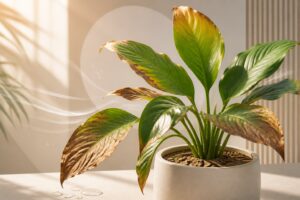
Why Are Plant Leaves Turning Brown? Understanding Common Causes and Solutions
Plant leaves turning brown is a common issue that many plant enthusiasts encounter. Whether you are a seasoned gardener or a beginner, brown leaves can be a sign of underlying problems that need to be addressed. In this comprehensive guide, we will explore the various reasons for brown leaves, how to identify the cause, and effective solutions to restore your plants to their former glory.
Common Causes of Brown Leaves
Brown leaves can result from a variety of factors, including environmental conditions, care practices, and pest infestations. Let’s delve into some of the most common reasons why plant leaves turn brown.
1. Underwatering
One of the most frequent causes of brown leaves is underwatering. When plants do not receive enough water, their leaves can become dry and crispy. This is particularly common in warmer months when evaporation rates are higher.
2. Overwatering
On the flip side, overwatering can also lead to brown leaves. Excess water can saturate the soil, leading to root rot and poor aeration. In this case, the leaves may turn brown and mushy, especially at the edges.
3. Low Humidity
Many houseplants, especially tropical varieties, thrive in high humidity. When humidity levels drop, leaves can start to turn brown, particularly the tips and edges. This is often noticeable during winter months when indoor heating systems lower humidity levels.
4. Nutrient Deficiencies
Plants require a variety of nutrients to stay healthy. A deficiency in essential nutrients, such as nitrogen, potassium, or magnesium, can lead to browning of the leaves. Yellowing may accompany browning, particularly in the case of nitrogen deficiency.
5. Pest Infestations
Insects such as spider mites, aphids, and scale can damage your plants, leading to brown spots or edges on leaves. Regularly inspecting your plants for signs of pests is crucial for maintaining their health.
6. Environmental Stress
Changes in temperature, light, or sudden drafts can stress your plants, causing browning leaves. For instance, exposing a plant to direct sunlight after it has been in low light can lead to sunburned leaves.
7. Disease
Fungal and bacterial infections can also cause browning. Diseases like leaf spot and fungal blights often lead to browning and wilting. It’s essential to monitor for other signs, such as discoloration or unusual spots.
How to Diagnose the Cause of Brown Leaves
Diagnosing the reason behind brown leaves requires careful observation. Here are some tips to help identify the issue:
- Check the Soil: Assess the moisture level of the soil. Stick your finger about an inch into the soil; if it feels dry, the plant needs water. If it’s soggy or overly wet, consider reducing watering.
- Inspect for Pests: Look closely at the undersides of leaves and at the base of the plant for any signs of pest activity.
- Evaluate Environmental Conditions: Consider the plant’s location. Is it exposed to drafts, direct sunlight, or high heat? Adjust its position if necessary.
- Look for Symptoms of Disease: Check for spots, discoloration, or wilting, which may indicate disease.
Solutions for Brown Leaves
Once you have diagnosed the cause of brown leaves, you can implement the following solutions:
1. Adjust Watering Practices
Ensure that your watering habits are appropriate for the plant species you are caring for. Allow the top inch of soil to dry out between watering for most houseplants. Consider using pots with drainage holes to prevent overwatering.
2. Increase Humidity
If low humidity is the issue, try placing a humidifier nearby or grouping plants together to create a micro-humid environment. Misting the leaves occasionally can also help.
3. Fertilize Wisely
Use a balanced fertilizer during the growing season to ensure your plants receive the necessary nutrients. Follow the package instructions to avoid over-fertilizing, which can also lead to leaf browning.
4. Treat Pest Infestations
If pests are present, treat your plants with insecticidal soap or neem oil. Regularly inspect your plants to catch infestations early.
5. Prune Affected Leaves
For leaves that are significantly damaged, consider pruning them off to encourage new growth. Make sure to use clean, sharp scissors to avoid spreading any potential disease.
Preventing Brown Leaves
Prevention is always better than cure. Here are some tips to prevent brown leaves from developing in the first place:
- Know Your Plant’s Needs: Research the specific water, light, and humidity preferences of each plant species you own.
- Regular Maintenance: Regularly check your plants for signs of stress, pests, or nutrient deficiencies.
- Use Quality Soil: Invest in good quality potting soil that provides proper drainage and nutrients.
- Rotate Your Plants: Rotate your plants every few weeks to ensure even light exposure.
Conclusion
Browning leaves can be alarming, but understanding the causes and solutions can help you restore your plants’ health. By monitoring your plants closely and providing them with the care they need, you can prevent and treat this common issue effectively. Remember, every plant is unique, so take the time to learn about their specific needs to keep them thriving.
FAQs
Why are the tips of my plant leaves turning brown?
The tips of plant leaves usually turn brown due to underwatering, low humidity, or excessive fertilizer. Assess your watering routine and consider increasing humidity around the plant.
Can brown leaves recover?
In many cases, brown leaves cannot recover, but you can prevent further browning by addressing the underlying issues. Pruning off the affected leaves may also encourage new growth.
How often should I water my plants?
Watering frequency depends on the type of plant and environmental conditions. A general rule is to water when the top inch of soil feels dry. Always adjust based on the specific needs of your plants.
Are brown leaves a sign of disease?
Yes, brown leaves can be indicative of plant diseases. If you notice other symptoms such as spots or wilting, inspect your plant carefully and consider treating it for disease.